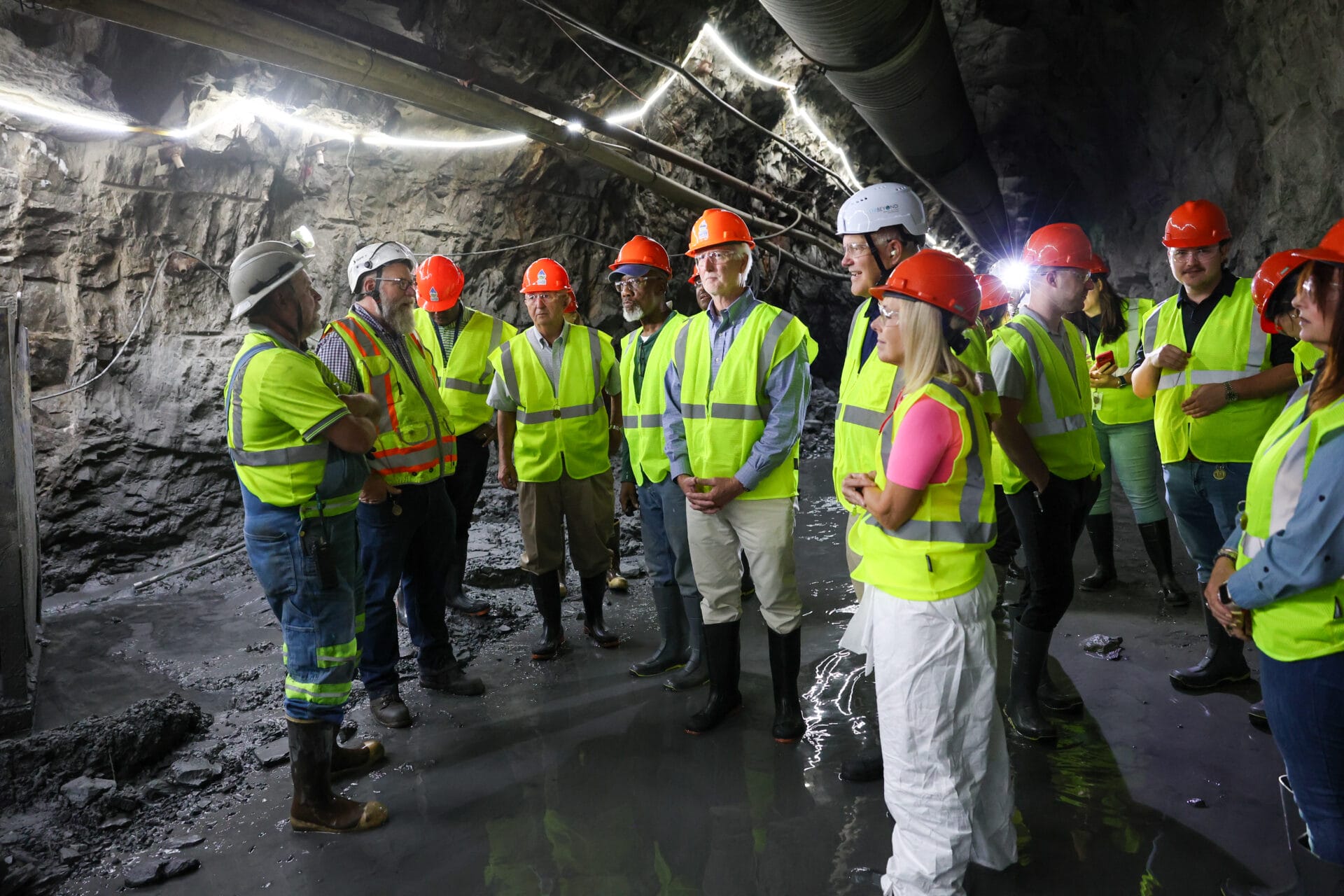
A few weeks ago, I had the opportunity to tour one of the most remarkable construction projects underway in the City of Lynchburg. Standing inside the Blackwater CSO Tunnel, I couldn’t help but think about something most of us rarely consider.
Every morning, we turn on the faucet. We flush the toilet. We take a shower, wash dishes, and go about our daily lives without giving much thought to what makes it all possible.
That’s exactly how good infrastructure should work.
If we’re doing our jobs well, most people never think about it.
Yet beneath our streets lies an incredibly complex system that quietly supports every home, every business, every school, every hospital, and every employer in our community.
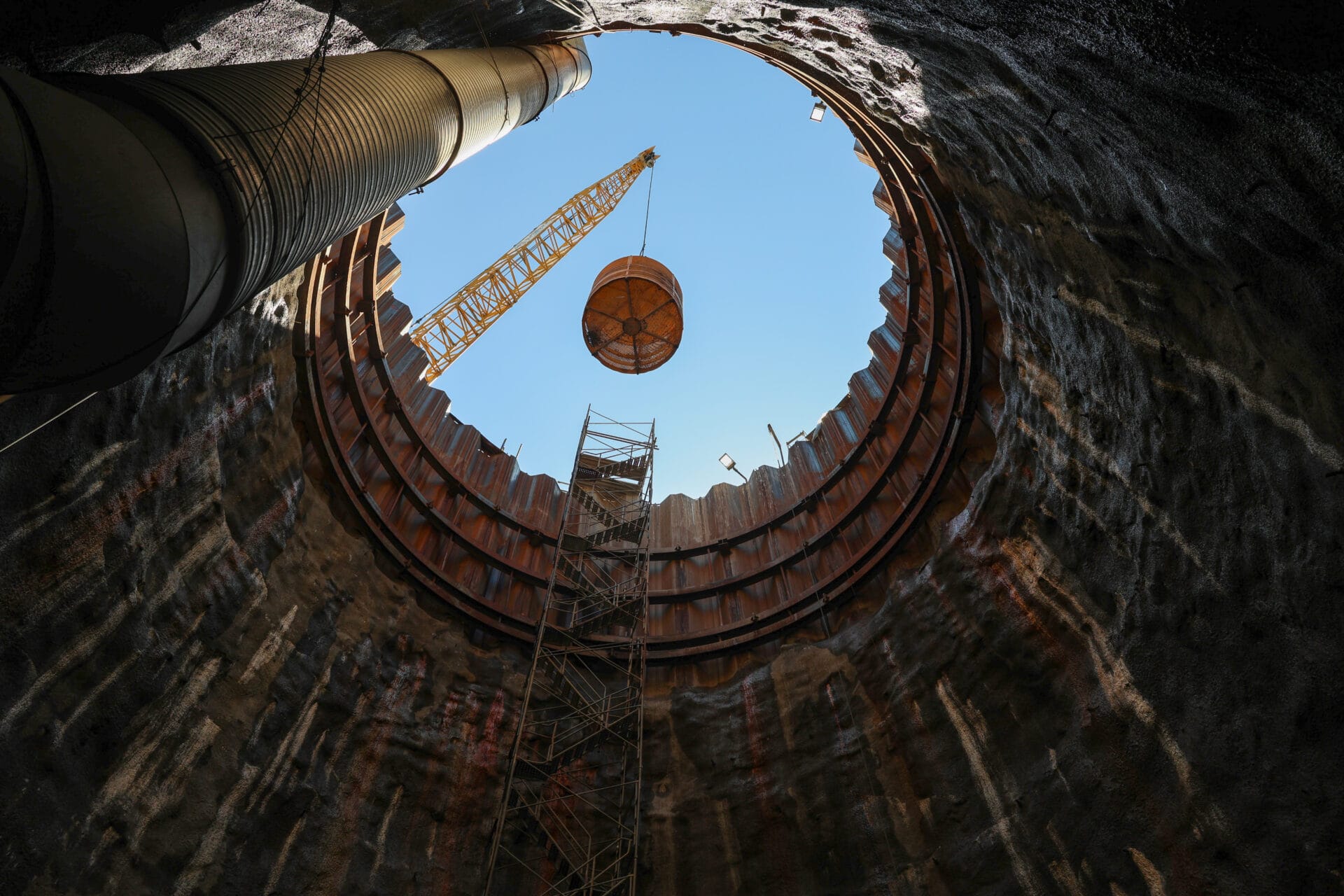
The LYH Beyond Blackwater CSO Tunnel Project is the largest capital improvement project in Lynchburg’s history and one of the City’s most significant environmental investments. As the capstone of a 45-year Combined Sewer Overflow Program, the nearly mile-long, 12-foot diameter tunnel will store up to 4.7 million gallons of combined stormwater and wastewater during heavy rain events. When completed in 2027, the program will reduce sewage overflow into Blackwater Creek by an estimated 98 percent compared to when the initiative began in 1979.
Those engineering achievements are impressive.
But from an economic development perspective, they represent something even more important.
As Director of Economic Development, I spend a great deal of time talking with companies about workforce, available sites, transportation, and quality of life. What many people don’t realize is that before any of those conversations happen, a community must first have reliable infrastructure. Whether it’s a manufacturer expanding production, a healthcare provider serving patients, a small business opening its doors, or a family choosing where to live, every investment depends on infrastructure that is reliable, resilient, and built for the future.
Communities compete every day for investment, talent, and opportunity. Companies evaluating locations expect dependable utilities, environmental stewardship, resilient public systems, and the capacity to support future growth.
Those investments rarely make headlines when a company announces a new facility or expansion.
Instead, they are the foundation that makes those announcements possible.
Projects like LYH Beyond protect our waterways, improve environmental resilience, support redevelopment opportunities, strengthen quality of life, and prepare our community for future investment.
They also demonstrate something equally valuable—long-term leadership.
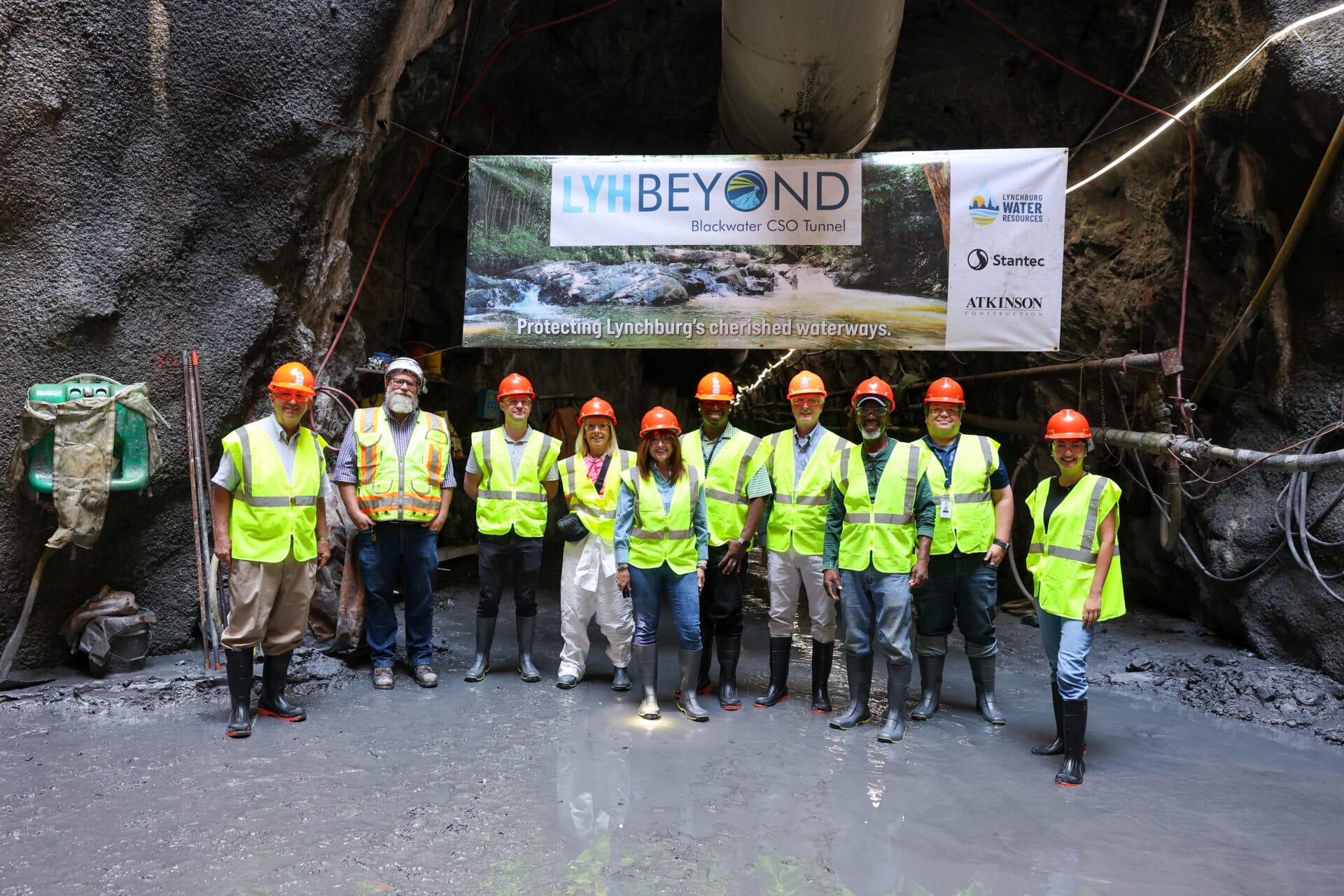
The City of Lynchburg has invested in this effort for more than four decades because building a competitive community requires looking beyond today’s needs and preparing for tomorrow’s opportunities.
Economic development isn’t simply about recruiting the next employer.
It’s about creating a community where businesses choose to invest, entrepreneurs choose to grow, families choose to live, and future generations inherit infrastructure that is stronger than the one we received.
Sometimes, the most important investments a city makes are the ones most people will never see.
By Marjette G. Upshur
Director, City of Lynchburg Office of Economic Development & Tourism